
Books
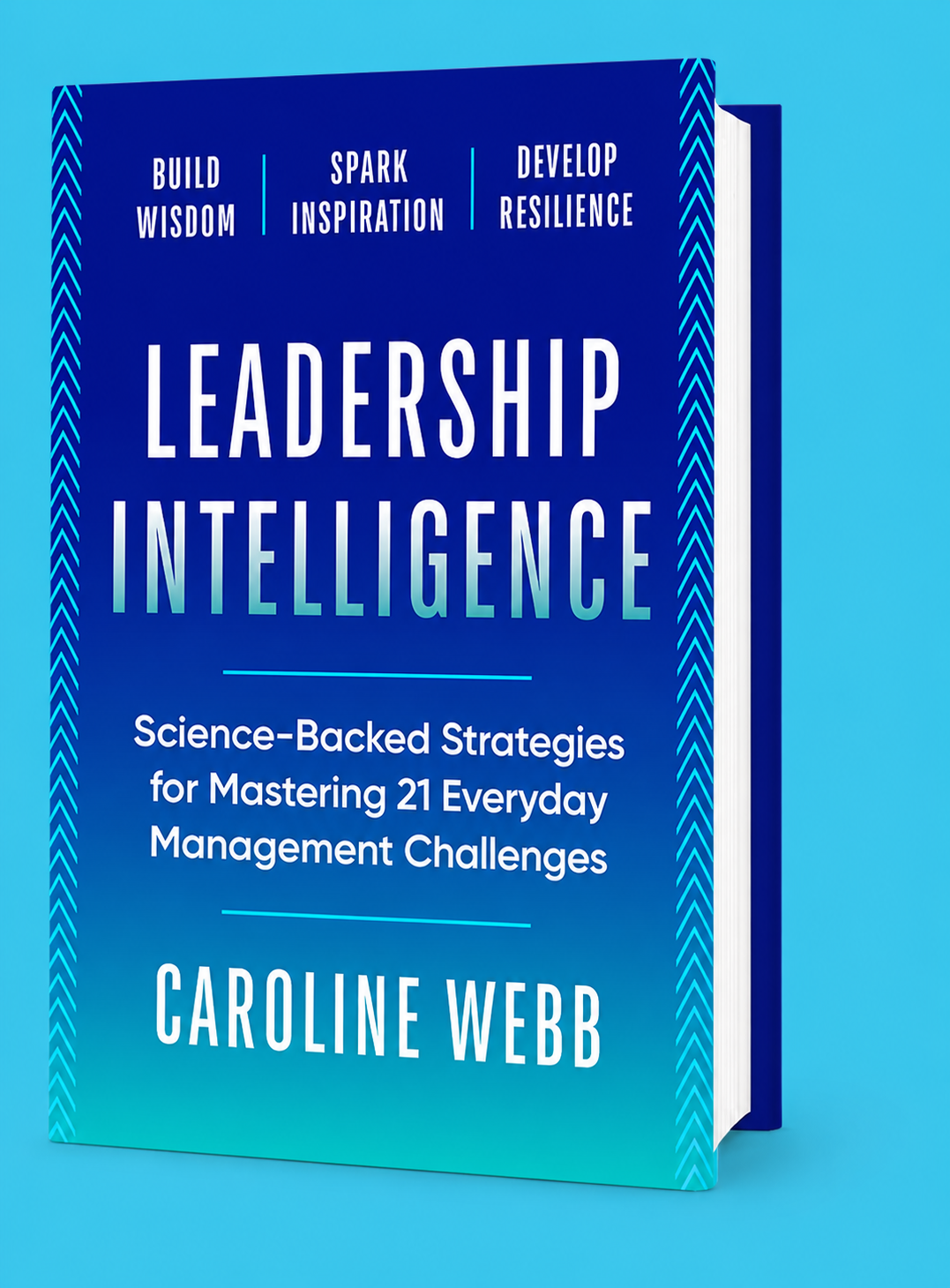
LEADERSHIP INTELLIGENCE
Science-Backed Strategies for Mastering 21 Everyday Management Challenges
***INSTANT NATIONAL BESTSELLER***
Click here to view the READER'S GUIDES: Group discussion, Reading paths, and How to use the book with AI
From the bestselling author of How to Have a Good Day, a powerful argument for developing the human strengths that will be vital for leading effectively in the age of AI.
In times of great change, great leadership is crucial—and our current times are no exception. Today, along with the demands that leaders have always faced—balancing short-term progress with long-term planning; delivering strong results without burning people out—we’re also in an era of major technological disruption. As that change accelerates, the instinct to lean hard into AI can feel more urgent than anything else.
But the smartest leaders know better. As AI capabilities become more universal, the leaders who stand out won’t be those who only use technology well—it will be those who can also draw out and develop the best of the human intelligence on their teams, by maximizing distinctly human strengths like critical thinking and interpersonal insight.
In Leadership Intelligence, economist and former McKinsey partner Caroline Webb shows readers how to rise to this challenge. Rooted in fresh insights from behavioral science, and brought to life by the personal stories of accomplished senior leaders, the book provides an integrated system of new frameworks and tools for mastering common workplace situations.
Arranged under three key strengths of a great leader—making wise choices, inspiring people to perform at their best, and building resilience to ups and downs—Webb distills her three decades of work advising executives into a guide for navigating common situations. Clear enough to be consulted before a crucial meeting, but engaging enough to be read in depth, Leadership Intelligence is an indispensable toolkit that successful managers will return to year after year as their roles and responsibilities grow.
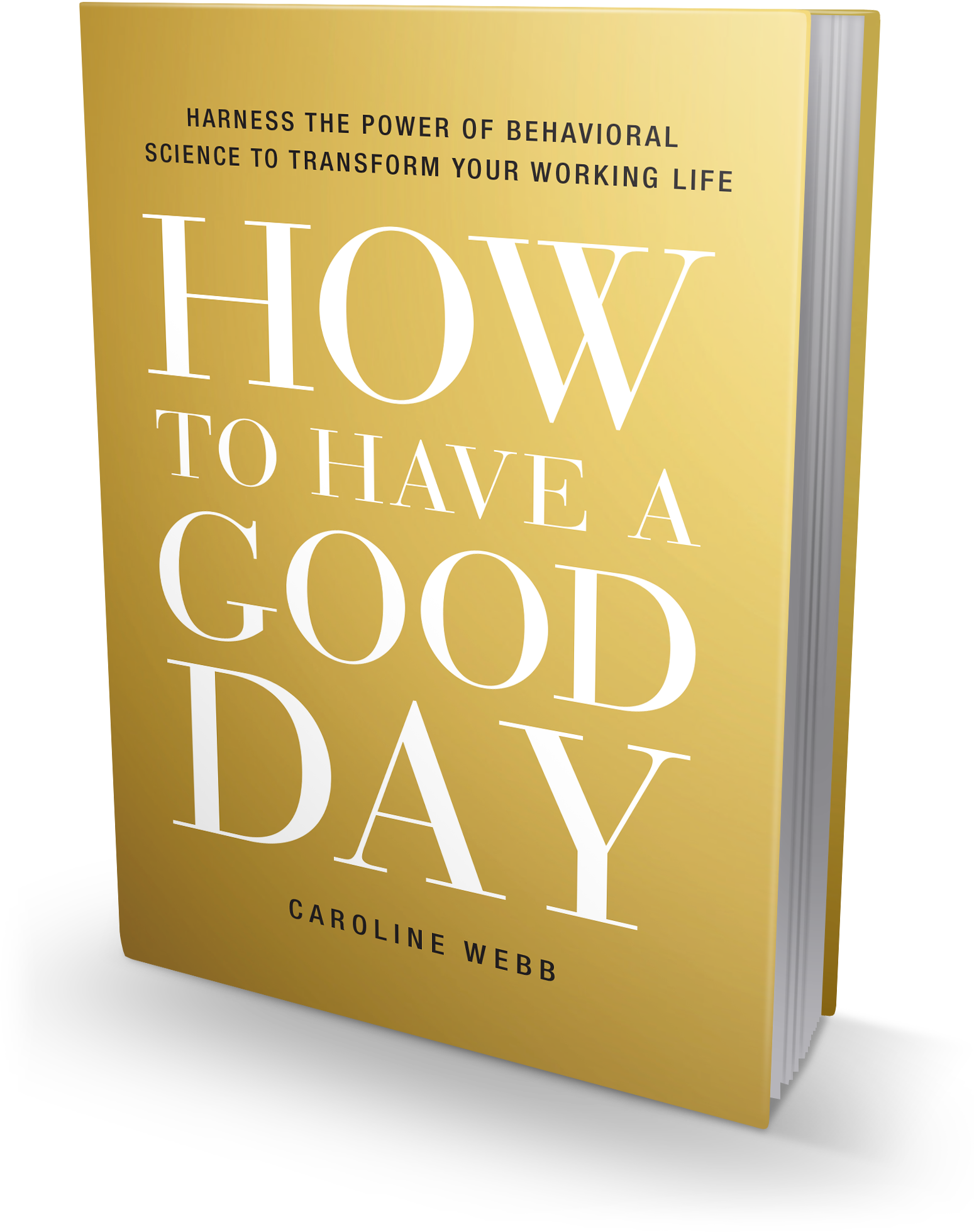
How To Have A Good Day
Harness the Power of Behavioral Science to Transform Your Working Life
In How to Have a Good Day, economist and former McKinsey partner Caroline Webb shows readers how to use recent findings from behavioral economics, psychology and neuroscience to transform the quality of our everyday lives – at work and beyond.
Advances in the behavioral sciences are giving us an ever-better understanding of how our brains work, why we make the choices we do, and what it takes for us to be at our best. But it hasn’t always been easy to see how to apply these insights in real life – until now. In How to Have a Good Day, Caroline Webb translates three big scientific ideas into step-by-step guidance that enables us to make every day feel more like our best days, by showing us how to: set better priorities, make our time go further, ace every interaction, be our smartest selves, strengthen our personal impact, be resilient to setbacks, and boost our energy and enjoyment. In short: she shows us how to take more control over the quality of our days – whether the “day job” sees us in an office, a studio, outdoors or at home.
Book chapters authored by Caroline
Leading for Tomorrow
I’m proud to say that I have two chapters in this book. Leading Across Divides (Ch. 12) is a joint effort with Jonathan Haidt, based around my Common Ground model for managing disagreements effectively, and drawing on his work on bridging divides. Inside the Motivated Mind (Ch. 13) lays out what leaders should know about the…
HBR Guide to Being More Productive
Every day begins with the same challenge: too many tasks on your to-do list and not enough time to accomplish them. Perhaps you tell yourself to just buckle down and get it all done–skip lunch, work a longer day. Maybe you throw your hands up, recognize you can’t do it all, and just begin fighting…

HBR Guide to Dealing with Conflict
While some of us enjoy a lively debate with colleagues and others prefer to suppress our feelings over disagreements, we all struggle with conflict at work. Every day we navigate an office full of competing interests, clashing personalities, limited time and resources, and fragile egos. Sure, we share the same overarching goals as our colleagues,…

Philosophy@Work
For decades business management teams have learned lessons and absorbed wisdom from an array of disciplines – psychology, sociology, biology and more – but philosophy, and the wisdom it embodies, has long been overlooked. World-renowned business philosopher Anders Indset wants to correct this oversight through his mission to introduce practical philosophy into every organisation. Intended…